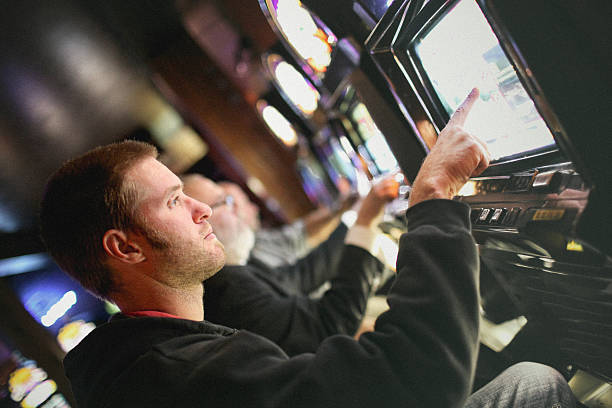
The evolution of gambling A historical journey through time
The Ancient Roots of Gambling
The origins of gambling can be traced back thousands of years, with evidence suggesting that ancient civilizations were engaged in various forms of betting. Archaeological finds in Mesopotamia reveal the use of dice as early as 3000 BC, highlighting a sophisticated understanding of chance. Similarly, the Chinese utilized rudimentary games of chance as a method for divination, further intertwining gambling with cultural and spiritual practices. For those interested in modern gaming, the site betzilloscasino.com offers a wealth of options.

In ancient Rome, gambling was embraced in public spectacles, including chariot races and gladiatorial combats. Romans placed bets on outcomes, showcasing an early form of organized gambling that involved both individual and communal participation. This practice not only entertained the masses but also reflected the social dynamics of the time, where wealth and status often influenced betting behavior.
The popularity of gambling during these ancient times laid the groundwork for its evolution into a structured activity. As societies transitioned from hunter-gatherers to agricultural communities, leisure activities, including gambling, became essential for social interaction and community bonding, setting the stage for more formalized systems in the future.
The Middle Ages and the Rise of Gambling Houses
As the medieval period unfolded, gambling evolved from informal settings to more regulated environments. This era witnessed the establishment of gambling houses, which were precursors to modern casinos. In Europe, particularly in Italy, these establishments became increasingly popular, offering card games and dice games that attracted players from various social strata. The gambling houses also introduced rules and regulations that governed gameplay, reflecting a shift towards organized gambling.
The emergence of games like backgammon and the first recorded instances of card games marked a significant development in gambling history. These games not only provided entertainment but also fostered a sense of competition among players. The introduction of gaming regulations during this time aimed to curb cheating and promote fair play, laying a foundation for responsible gambling practices that would become more prevalent in later years.
By the end of the Middle Ages, gambling had solidified its place in society as both a pastime and a source of revenue for monarchies through taxes and licensing fees. This dual role of gambling helped to further embed it into the cultural fabric of Europe, paving the way for its growth into a major industry in the modern era.
The 18th and 19th Centuries: The Birth of Modern Gambling
The 18th century marked a critical turning point in the evolution of gambling, with the establishment of formal betting houses and the rise of horse racing as a popular sport. The introduction of betting on horse races led to the creation of the first official betting odds, which enhanced the excitement and competitiveness of gambling. This period also saw the foundation of the first state lotteries, which served as an innovative way for governments to raise funds.
The 19th century brought about the advent of casinos as we know them today. The first modern casino opened its doors in Venice, Italy, in the early 1600s, but it wasn’t until the 1800s that casinos became prevalent across Europe and the United States. The introduction of slot machines in the late 19th century revolutionized the gaming experience, offering players an easy and exciting way to gamble. These innovations signaled a shift toward a more diverse range of gambling options.
As gambling flourished, so did its regulation. Many governments recognized the potential for taxation and revenue generation, leading to a more structured approach to gambling laws. This period laid the groundwork for responsible gambling practices as authorities sought to protect players and ensure fair play while simultaneously capitalizing on the economic benefits of the gambling industry.
The 20th Century: Prohibition and Regulation
The 20th century was characterized by a complex relationship with gambling, marked by cycles of prohibition and regulation. In the early part of the century, numerous countries attempted to ban gambling altogether, fearing its impact on society. However, these prohibitions often led to underground gambling operations that circumvented the law, demonstrating a persistent public interest in gaming.
By the mid-20th century, attitudes toward gambling began to shift dramatically. Countries like the United States legalized gambling in various forms, starting with Nevada’s legalization of casino gambling in 1931. This shift highlighted the recognition of gambling as a legitimate entertainment source and a significant economic driver. The Las Vegas Strip emerged as a global gambling destination, attracting millions of visitors and transforming the landscape of gaming.
As the century progressed, technology began to influence gambling practices significantly. The advent of the internet in the late 1990s introduced online gambling, which opened new avenues for players and operators alike. This technological evolution not only made gambling more accessible but also posed new challenges for regulation and responsible gambling practices, emphasizing the need for protective measures to safeguard players in this expanding digital landscape.
The Digital Age: Online Gambling and Responsible Practices
Today, the landscape of gambling has been fundamentally transformed by the internet and mobile technology. Online casinos have emerged as a prominent player in the industry, providing a vast array of games and betting options that cater to diverse preferences. With just a few clicks, players can access thousands of games, including live dealer experiences that replicate the casino atmosphere from the comfort of their homes.
However, this rapid growth has raised concerns about responsible gambling practices. Governments and regulatory bodies have implemented measures to promote safe gaming environments, including self-exclusion programs and age verification processes. Operators are now increasingly focused on providing resources to help players manage their gambling habits and recognize the signs of addiction, emphasizing the importance of responsible play in today’s digital age.
The evolution of gambling continues as technology advances, with innovations like virtual reality and blockchain promising to reshape the future of the industry. As gambling becomes increasingly integrated into daily life, the emphasis on responsible gambling practices will remain vital, ensuring that players can enjoy their experiences safely and ethically.

Betzillo Casino: Your Premier Online Gaming Destination
At Betzillo Casino, players are invited to experience a premier online gaming destination offering a vast selection of over 7,000 exciting casino games. From classic pokies to immersive live dealer experiences, Betzillo caters to all gaming preferences, ensuring an entertaining and rewarding experience for every player. The platform is dedicated to player satisfaction, featuring fast payouts, competitive bonuses, and a user-friendly interface.
Betzillo also prioritizes responsible gambling, providing resources and tools to help players make informed decisions about their gaming habits. With a commitment to creating a secure and regulated environment, Betzillo fosters a vibrant community of gamers eager to explore weekly tournaments and innovative game releases. Join us today and embark on an exhilarating journey through the world of online gaming!

.jpg)
.jpeg)
.jpeg)
.jpeg)